
Planting a Coastal Garden That Copes With Salt, Wind and Sand
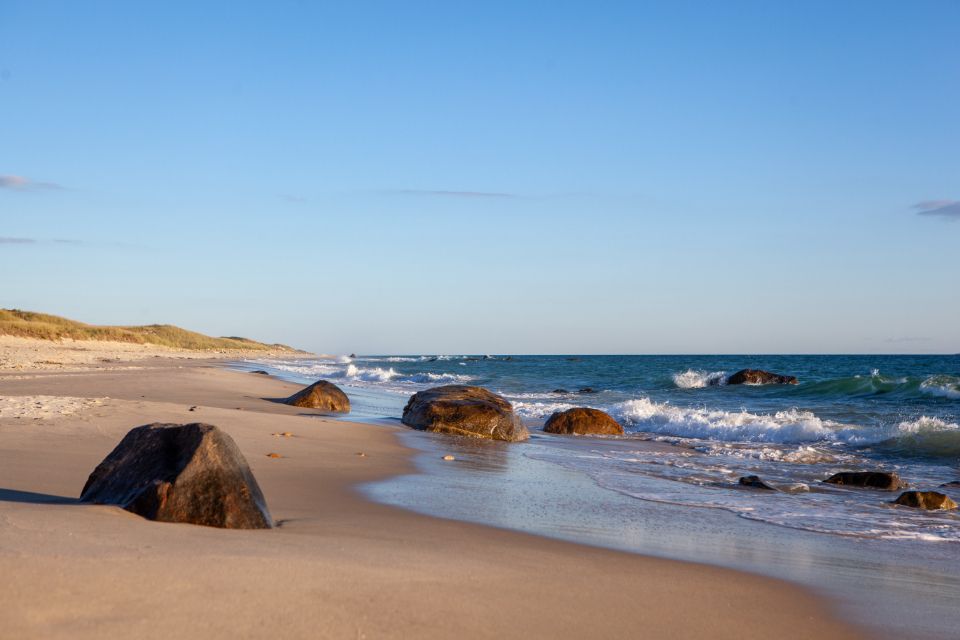
Gardens near the sea have a hard life. Salt spray settles on the leaves, wind pushes plants sideways and sandy soil lets water drain straight through. Plenty of popular nursery plants struggle after a summer or two. A garden built around those conditions can still look settled and green with far less work.
The trick is to work with the coast rather than against it. That means choosing plants that already cope with salt and sand, giving them shelter while they establish and keeping moisture in the soil. It also means being careful about what might escape over the back fence into the dunes. Each of those steps is simple once you know what to look for.
What makes a coastal garden different
Coastal gardens face the same pressures as most Australian gardens. The Green Adelaide coastal gardens planting guide lists dry summers, drought, water restrictions and a changing climate. People living near the coast may also have to tackle salt spray, sand blasting and sandy or saline soils. The same guide describes coastal soils as nutrient poor, with limited water available to plants.
Salt is the part that catches many people out. A plant can look healthy in a sheltered nursery and then brown off along its exposed side once it goes in near the beach. Wind makes the damage worse because it drives salt and sand into the foliage. Plants on the seaward side of a block usually cop the worst of it, while those in the lee of the house have an easier time.
Why local coastal plants are the safest choice
The simplest way to get a coastal garden right is to plant species that grow naturally on your part of the coast. The Green Adelaide guide notes that local natives are low maintenance and drought tolerant. They also need less water, fertiliser and pesticide than many introduced plants. On top of that they support local wildlife such as birds, butterflies and small lizards.
The word local matters here. A plant native to another state, or even another stretch of coastline, may not handle your soil or your wind. Councils and regional natural resource groups often publish planting lists for their own coastal areas. The South Coast Natural Resource Management guide for Albany, Denmark and Walpole is one example. It suggests checking with your local council before you plant into natural coastal environments.
Building shelter from the wind
Shelter makes a big difference for young plants and for the people using the garden. A windbreak works best when it slows the wind rather than blocking it outright. The NSW Government’s advice on planting for windbreaks recommends a windbreak that is around 40 per cent porous. It also warns that a windbreak with holes can be ineffective and may even cause wind tunnelling.
That advice is written for farms, but the principle scales down to a suburban block. The same page says windbreaks work up to 20 times their height downwind, with the best results within 10 times their height. Even a modest hedge of tough coastal shrubs gives the beds behind it a real break. Wind can also curve around the ends of short breaks, so think about where the gaps fall.
Layering helps too. The NSW design places shrubs in the outer rows for low cover at ground level, with taller trees in the centre rows. In a home garden that might mean low, salt tolerant shrubs facing the sea, then taller plants behind them. Once that front line is established, softer plants can go in behind its shelter. If you are planning a bigger change, these ideas sit well alongside a plan to refresh your outdoor space without pulling everything out.
Getting plants into the ground
Timing helps plants settle. The South Coast guide says planting is best done in the cooler months through autumn and winter. It names the ideal time as after the autumn opening rains, when the soil is moist. Planting into warm, dry sand in summer gives roots very little time before the heat arrives.
Watering is about depth rather than frequency. Green Adelaide recommends watering new plants in, then giving them a deep weekly watering through their first two summers. This builds deep roots, and after that most local plants should cope with rainfall. The guide also warns that overwatering leaches nutrients and leads to weaker plants that don’t live as long. Always follow your local water restrictions.
Go easy on fertiliser as well. According to the same guide, local natives usually don’t need it. It warns that products with high levels of phosphorus can harm some local native plants. If you do feed potted plants, choose a low phosphorus product in spring and summer and don’t overdo it.
Mulch makes sandy soil work harder
Mulch is one of the cheapest upgrades a coastal garden can get. The Green Adelaide guide says a mulch layer can reduce evaporative water loss by more than 70 per cent. It recommends 5 to 10 cm of mulch or gravel, shaped into a bowl around each plant. Keep the mulch away from stems to avoid disease.
Where the mulch comes from matters too. Both guides advise against taking materials from natural areas, such as river stones and fallen logs. The Green Adelaide guide also lists red gum mulch among the materials to avoid. The South Coast guide suggests asking suppliers for soil, gravel, potting mix and mulch that is free of dieback.
Plants that can cause trouble near the dunes
Some of the toughest garden plants are tough for a reason. They spread easily, and on the coast they can move from a garden into the dunes. Green Adelaide notes that environmental weeds can alter coastal dune shape, reduce habitat, change soil conditions and harbour pest animals. The South Coast guide adds that garden plants can grow through fences directly on the coast.
Lists of plants to avoid differ between regions. A plant that causes problems in one place may be harmless somewhere else, so check your own council’s list as well. Plants named on the lists in these two guides include the following.
- Gazania
- Hottentot fig, also called sea fig
- Beach daisy
- Agapanthus
- Bridal creeper
- Kikuyu and couch grass
- Fountain grass
Garden waste is the other path for weeds. Both guides ask you to dispose of garden waste responsibly. The South Coast guide warns that dumped waste with seeds or cuttings, including lawn clippings, can grow even several months later. Use your green bin or a council green waste service rather than tipping cuttings into the reserve behind the house.
Fitting the garden around the rest of the block
A coastal garden rarely stands alone. Paths, pool areas and paved spaces all share the same salt and wind. If the yard includes a pool, think about where garden beds sit in relation to the barrier when you plan the layout. Our guide to glass pool fencing covers the safety rules and installation side of that area.
Hard surfaces near garden beds also cop sand and grit carried in on shoes. If you are choosing a finish for a patio or entertaining area, read up on epoxy vs polished concrete before you decide. And if you are only just moving to the coast, a good Perth removalist takes a lot of stress out of the move. That leaves more energy for planning the new garden.
Frequently asked questions
When is the best time to plant a coastal garden?
The South Coast guide says planting is best done in the cooler months through autumn and winter. The ideal time is after the autumn opening rains, when the soil is moist. Young plants then have time to grow roots before summer.
How much mulch should I use on sandy soil?
Green Adelaide recommends 5 to 10 cm of mulch or gravel. Shape it into a shallow bowl around each plant to help hold water. Keep it clear of the stems.
Do coastal native plants need fertiliser?
Usually not, according to the Green Adelaide guide. Products high in phosphorus can harm some local native plants. If you feed potted plants, use a low phosphorus product sparingly.
How porous should a windbreak be?
The NSW Government suggests a windbreak that is around 40 per cent porous. Some air should pass through while the wind is slowed. Fill any gaps, because a windbreak with holes may cause wind tunnelling.
